
Introduction
Bingo is not merely a game of numbered balls and chance; it is a tapestry woven with tradition, social connection, and a resilience that has allowed it to flourish through centuries. Whether in grand bingo halls, cozy living rooms, or digital screens, bingo continues to unite people in moments of anticipation, laughter, and triumph. It is a pastime that transcends age, era, and geography—offering much more than the surface promise of a lucky win.
Bingo’s Roots: A Worldly Journey
Originating in 16th-century Italy as “Il Gioco del Lotto d’Italia,” bingo began its journey as a lottery game beloved by both commoners and sovereigns. Its popularity spread across Europe, gaining refinement as “Le Lotto” among French aristocracy and finding purpose as an educational tool in 19th-century Germany, where it aided children with numbers and spelling. The game’s first American incarnation, often played at local fairs and known as “Beano,” was formalized and named “Bingo” in the early 1900s after a chance exclamation by a player. From community events to grand charity fundraisers, bingo’s evolution reflects a persistent charm that adapts seamlessly to social and technological change.
How Bingo is Played: Simplicity at Its Core
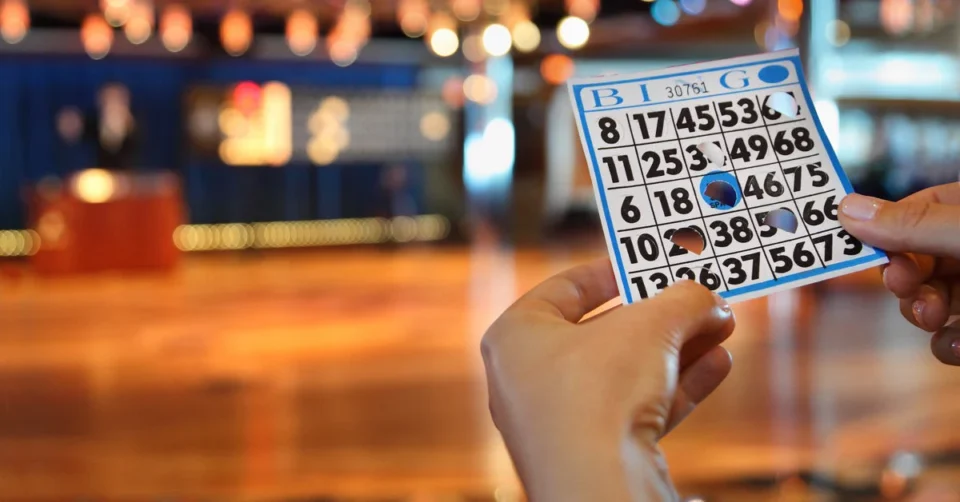
Bingo’s rules are elegant in their simplicity, making it accessible to new and experienced players alike. Each participant receives a card marked with a grid of random numbers. As numbers are called, players mark them off, aiming to complete a predetermined pattern—often a straight line, a diagonal, or the entire card. When someone completes the pattern, the classic jubilant call of “Bingo!” signals victory.
Popular Bingo Variants
-
75-Ball Bingo: The favored format in North America, played on a 5×5 grid. Win patterns can be straight lines, diagonals, or unique designs.
-
90-Ball Bingo: Common in the UK and much of Europe, played with a 9×3 grid and featuring three chances to win in each game.
-
Educational and Social Variants: Adapted for learning, parties, and family events, bingo comes in myriad creative forms.
The Social Pulse of Bingo
Community and Togetherness
Bingo’s appeal lies as much in community as it does in winning. Bingo halls are vibrant, bustling spaces where people gather regardless of age—grandparents, college students, and everyone in between. The warm, lighthearted atmosphere fosters new friendships and strengthens old ones, forging a sense of unity rare in other games.
Bingo as a Force for Good
A hallmark of bingo’s legacy is its enduring impact on local fundraising. Churches, schools, and charities have used bingo nights to support vital initiatives, transforming fun into collective good. The thrill of the game is heightened by knowing each participation contributes to a meaningful cause—a unique blend of entertainment and altruism.
Rituals and Superstitions
Bingo players bring personal rituals to the game: lucky charms, favorite seats, and special pens are common. The energy in the room rises with each called number, the silence between calls punctuated by jokes, friendly banter, and the shared hope for a winning moment.
Bingo’s Evolution in the Digital Age
Bingo’s resilience is most evident in its successful leap into the digital world. Online bingo platforms have broadened access, enabling play across distances and time zones. Digital enhancements—chat rooms, themed games, and interactive features—preserve the game’s social fabric. Virtual bingo parties now attract participants young and old, keeping traditions alive while adding new layers of excitement.
What Makes Bingo Enduring?
-
Universal Appeal: Designed for everyone, from seasoned elders to curious newcomers.
-
Quick to Learn, Fun to Play: Straightforward rules and a relaxed pace.
-
Nostalgic and Comforting: For many, bingo evokes cherished memories and familiar routines.
-
Exciting Yet Restful: The anticipation of each call is balanced by the soothing repetition.
-
Fosters Community: Few games bring together such diverse groups, forging bonds in moments both calm and exhilarating.
Conclusion
In an age of rapid change and fleeting trends, bingo stands out as an enduring classic. Its move from Italian lottery parlors to digital screens demonstrates a rare adaptability, thriving in varied cultures and contexts. But above all, bingo’s magic lies in its ability to unite—whether the gathering is for charity, learning, or sheer enjoyment, the game turns strangers into companions and a simple cry of “Bingo!” into a shared celebration. As we continue to seek meaningful connections in a noisy world, the timeless charm of bingo reminds us that joy, laughter, and togetherness will always be in fashion.
