
Introduction
Poker stands as one of the most enthralling card games ever devised, blending strategy, psychology, and the unpredictability of chance into a uniquely captivating experience. It is a game that calls upon intellect and intuition, testing players’ abilities to read opponents, manage risk, and master the fine art of deception. Poker’s legacy is rich, tracing a winding path through history and culture, and its continued popularity attests to the game’s timeless appeal. This article explores the origins, development, and enduring allure of poker, looking beyond the cards to the human drama that keeps players riveted.
The Origins of Poker: A Patchwork of Influences
Unlike many games, poker’s exact origins are difficult to pin down as it evolved from an amalgamation of earlier games spanning continents. The Persian game As-Nas, played with a limited deck and ranked hands, influenced its early structure, while the French game poque contributed significant elements like bluffing and betting rounds. These strategic priorities differentiate poker from games of pure chance, highlighting the importance of player psychology and decision-making.
Poker, as it is recognized today, began to take shape in early 19th century America, particularly along the Mississippi River. River boat gamblers popularized a simplified version played with 20 cards, and through time this evolved into a 52-card format with more complex hand rankings and multiple betting rounds, forming the foundation of contemporary poker.
Evolution of the Game: Expanding Depth and Complexity
Poker grew in sophistication throughout the 19th century, adopting new variants and blending regional influences. The introduction of drawing cards allowed players to improve their hands, adding tactical layers over simple betting.
The Civil War helped spread the game across the United States, where soldiers played to pass the time and refine their skills. The arrival of organized poker tournaments, particularly the World Series of Poker in the 1970s, propelled poker onto the world stage, turning it from a gambler’s pastime into a competitive sport.
Core Mechanics: What Makes Poker Special
At its essence, poker combines several ingredients that set it apart:
-
Hand Rankings: Understanding the hierarchy from high card to royal flush is fundamental.
-
Betting Structure: Rounds of betting introduce strategic opportunities to fold, call, raise, or bluff.
-
Psychological Play: Success relies on reading opponents, managing one’s own tells, and using deception effectively.
-
Position and Timing: Acting later in a betting round allows players to gather more information and make better decisions.
This combination of factors creates a dynamic where chance deals the cards but skill and decision-making determine outcomes.
Popular Variants: Diverse Paths to Mastery
Poker is not a monolith; it flourishes through various formats:
-
Texas Hold’em: The reigning champion of popularity, featuring two private hole cards and five community cards for all players to use. It balances accessibility with deep strategic complexity.
-
Omaha: Similar to Hold’em but with four hole cards and strict requirements on how many must be used, offering intricate hand-building puzzles.
-
Seven-Card Stud: Before community cards gained rise, this variant relied on individual and exposed cards dealt to each player, emphasizing memory and inference.
-
Draw Poker: Players get a chance to discard and redraw cards, focusing heavily on probability calculation.
Each variant caters to different styles and experiences, maintaining poker’s broad appeal.
The Psychological Element: Reading and Bluffing
Poker’s drama hinges on its psychological depth. Bluffing—convincing opponents you hold better cards than you do—is key to winning without necessarily having the best hand. Conversely, accurately “reading” opponents, spotting tells in behavior or betting patterns, moves the needle from chance to skill. This mental duel is what transforms poker from mere card matching into a clash of wits.
Poker in Culture: Symbolism and Storytelling
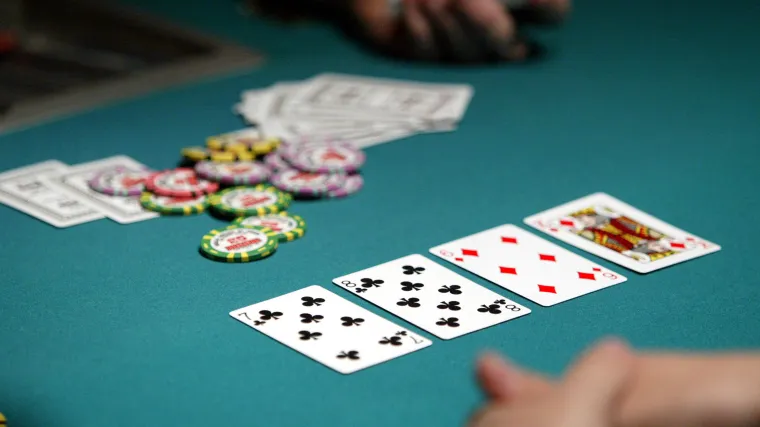
Poker’s impact extends beyond the table into art, literature, movies, and everyday culture. The imagery of the poker table—cards spread, chips stacked, eyes narrowed—has become a metaphor for life’s uncertainties and calculated risks. Classic poker films and stories reinforce the game’s narrative allure, dramatizing the tension between luck and strategy.
The Modern Poker Boom and Digital Evolution
The advent of the internet transformed poker from exclusive casino parlors into a global digital phenomenon. Online platforms democratized participation, allowing anyone with an internet connection to compete in real-time tournaments, practice skills, and engage with international peers.
Modern technology brings innovative elements such as live-streamed events, AI opponents, and sophisticated data analytics that deepen strategic understanding while preserving the communal essence of poker.
Mastering Poker: Tips for Success
-
Stay Patient: Avoid impulsive decisions; patience often wins the long game.
-
Learn to Fold: Knowing when to exit a losing hand is crucial.
-
Observe Closely: Pay attention to betting patterns and body language.
-
Mix Up Play: Being unpredictable keeps opponents off balance.
-
Manage Bankroll: Properly budgeting ensures sustainability and less emotional decision-making.
Conclusion
Poker remains a compelling blend of chance, skill, and human insight—a game as rich in complexity as it is in tradition. Its journey from modest riverboat origins to a global pastime reflects not only a love for competition but a fascination with uncertainty and human nature itself. Whether enjoyed as casual entertainment or serious competition, poker invites players into an elegant, timeless dance where every hand unfolds a story of risk, intuition, and possibility.
