
Introduction
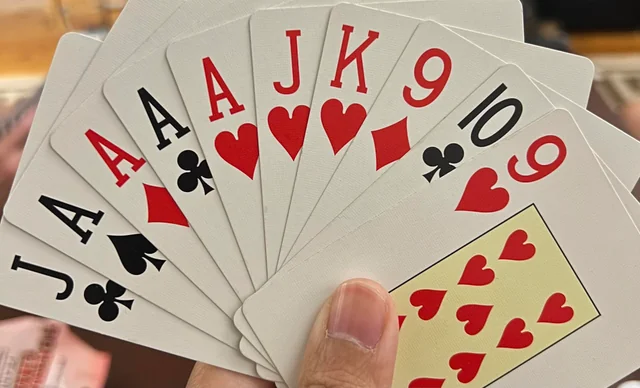
Card games occupy a singular place in the tapestry of human recreation. With a simple deck, one can enter worlds of cunning, challenge, and camaraderie. These games are played in bustling casinos, quiet living rooms, smoky cafés, and across the digital ether. Card games have survived countless centuries, thriving through cultural shifts and technological upheaval. They are at once classic and ever-evolving—a testament to their adaptability and universal appeal.
The Storied Origins of Card Games
Card games trace their origins to ancient Asia, where the first playing cards appeared in China sometime before the 9th century. These early cards were often painted by hand, bearing intricate designs and mystical symbols. Eventually, the concept migrated westward, with Islamic and Indian cultures contributing to their evolution. By the Renaissance, European decks—marked by sword, cup, and coin suits—were widespread, ultimately giving rise to the French-suited decks we use today: spades, hearts, diamonds, and clubs.
As printing technologies improved and production costs declined, cards became a widely accessible entertainment option. French decks proved particularly influential, their easy-to-produce suit symbols and streamlined ranks making them popular in England and, by extension, throughout the British colonies. Regional variants—such as Japan’s hanafuda, Spain’s baraja, and India’s Ganjifa—highlight the rich diversity of card games and their cultural resonance.
Modern Classics: Card Games That Captivated the World
Poker: The Pinnacle of Strategy and Nerve
Arguably the most iconic card game, poker has evolved from 19th-century saloons into a worldwide phenomenon spanning televised tournaments and online platforms. Poker is beloved for blending chance, psychological reading, and bold strategy. Its variants—Texas Hold’em, Omaha, Seven-card Stud—each add unique twists while maintaining the central drama: the tension of betting, bluffing, and revealing hands.
Poker Hand Rankings
-
Royal Flush (A, K, Q, J, 10 of the same suit)
-
Straight Flush (five sequential cards of one suit)
-
Four of a Kind, Full House, Flush, Straight, Three of a Kind, Two Pair, One Pair, and High Card
Winning is about much more than the cards you hold; it’s how you play them.
Bridge: The Game of Minds
Bridge is heralded as the most intellectually demanding card game. Four players form two partnerships, vying across bidding and play phases that require cooperation, deduction, and memory. Bridge tournaments command heated rivalry and respect, while casual play rewards curiosity and quick thinking.
Rummy: Meld, Match, Master
Rummy games encourage players to form sets or runs of cards. Popular forms like Gin Rummy or Indian Rummy favor rapid play, sharp observation, and a touch of luck. Its approachable rules help make rummy a favorite at family gatherings and friendly competitions.
Baccarat: The Elegant Casino Staple
Associated with high society and glamour, baccarat is a card-comparing game that pits the player against the banker. Its simplicity, quick rounds, and aura of luxury keep it popular in casinos worldwide.
Other Beloved Games
-
Blackjack: Famous for its mix of chance and skill, and the ever-present challenge of beating the dealer.
-
Solitaire: Played solo, offering an engaging puzzle with nearly infinite iterations.
-
Hearts, Spades, Euchre: Trick-taking games that combine competitive play with tactical nuance.
Card Games as Cultural Catalysts
Card games build bridges—figuratively and literally—across generations and cultures. They are occasions for friendship, rivalry, and storytelling. From carefree afternoons to tense tournament finals, the allure of cards lies in their accessibility.
Noteworthy cultural impacts:
-
Card games as educational tools, teaching math, probability, and social skills.
-
Historical association with gambling, resulting in legal intrigue and royal regulation.
-
Enduring themes in literature, art, and cinema, signifying fate, fortune, and character.
The Digital Evolution
The internet has revolutionized card games, allowing people to play rummy, poker, or bridge with global opponents. Online platforms introduce statistical tracking, real-time communication, and even AI adversaries, ensuring card games remain relevant and engaging in a fast-changing world.
Tips for Deepening Your Card Game Experience
-
Learn multiple variations of a favorite game to broaden your strategic horizons.
-
Practice with friends and family or join local clubs for richer social interaction.
-
Experiment with online platforms for diverse play and to refine techniques.
-
Study professional tournaments to glean insights from experienced players.
-
Appreciate the history and artistry of cards—unique designs often tell stories spanning centuries.
Conclusion
Card games distill human ingenuity and delight into a deck of possibilities. Whether you’re a methodical strategist, an intuitive risk-taker, or a newcomer seeking connection, cards invite you into a blend of tradition and innovation. Their longevity is no accident; card games adapt, endure, and inspire. In every shuffle and deal lies the promise of suspense, laughter, and unity—a legacy as timeless as the games themselves.
