
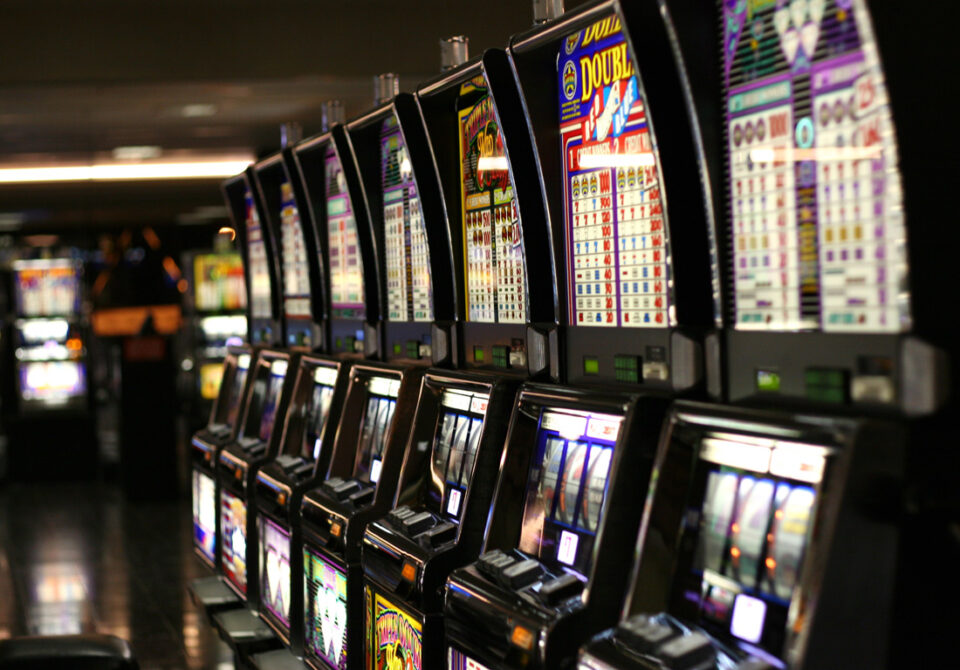
Slot machines look simple on the surface—pull a lever, spin the reels, hope for matching symbols. But behind that flashy display is a tightly controlled system built on mathematics, software, and regulation. Understanding how slot machines actually work can help clear up common myths and give you a more realistic view of what happens every time you press Spin.
The Core of Every Slot Machine: The Random Number Generator (RNG)
At the heart of every modern slot machine—both physical and online—is the Random Number Generator (RNG).
The RNG is a software algorithm that:
-
Runs continuously, even when no one is playing
-
Generates thousands of random numbers per second
-
Determines the outcome the instant you press the spin button
The reels you see spinning are purely visual. The result has already been decided before the animation even finishes.
What the RNG Really Does
-
Each number corresponds to a specific reel position
-
When you spin, the current number is locked in
-
That number maps to symbols shown on the screen
There is no memory involved. The machine doesn’t know if you won or lost previously.
Why Slot Machines Feel Predictable (But Aren’t)
Many players believe slots go through “hot” or “cold” streaks. In reality, this feeling comes from human pattern recognition, not machine behavior.
Important facts:
-
Each spin is independent
-
Past results do not influence future spins
-
A win after 100 losses is no more likely than a win after 1 loss
The randomness is real—even when it doesn’t feel that way.
Understanding Return to Player (RTP)
Return to Player (RTP) is one of the most misunderstood concepts in slot machines.
RTP is expressed as a percentage, such as:
-
96% RTP = Over millions of spins, the machine returns $96 for every $100 wagered
This does not mean:
-
You’ll get $96 back for every $100 you personally spend
-
Wins are evenly distributed
Key RTP Takeaways
-
RTP is calculated over long-term play
-
Short sessions can vary wildly
-
Higher RTP generally favors players over time
How Casinos Actually Make Money on Slots
Slot machines are profitable because of the house edge, not because they cheat.
Casinos control:
-
RTP settings (within legal limits)
-
Game selection and denomination
-
Volatility (how often and how much slots pay)
Even with frequent small wins, the math always favors the house in the long run.
Slot Volatility: The Risk Factor Most Players Ignore
Volatility (also called variance) describes how a slot pays out.
Low Volatility Slots
-
Frequent, smaller wins
-
Longer play sessions
-
Lower jackpot potential
High Volatility Slots
-
Fewer wins
-
Larger payouts when they hit
-
Higher risk, higher reward
Choosing volatility matters more than most players realize.
Physical Slots vs Online Slots: What’s Different?
While both use RNG technology, there are some differences worth noting.
Physical Slot Machines
-
RNG software stored on internal chips
-
Regulated by local gaming authorities
-
Outcomes tied to certified hardware
Online Slot Machines
-
RNG runs on secure servers
-
Audited by independent testing agencies
-
Often display RTP more transparently
Despite the format, the math behind them is essentially the same.
Common Slot Machine Myths (Debunked)
-
“Slots loosen up at night” – False
-
“Max bet increases your chances” – Usually false (except for some jackpots)
-
“Machines are due for a win” – Completely false
-
“Stopping the reels changes the outcome” – Impossible
These myths persist because randomness doesn’t feel random to humans.
Why Slot Machines Use Flashy Lights and Sounds
The visual and audio effects aren’t just for fun.
They’re designed to:
-
Reinforce small wins
-
Create excitement during near-misses
-
Keep players engaged longer
This design doesn’t change odds—but it does change perception.
The Role of Regulation and Testing
Modern slot machines undergo strict testing before being released.
They are evaluated for:
-
RNG randomness
-
RTP accuracy
-
Fairness and predictability
-
Software integrity
Licensed casinos cannot legally alter outcomes on the fly.
Final Thoughts: What Players Should Really Know
Slot machines are:
-
Random, not strategic
-
Built for entertainment, not guaranteed profit
-
Controlled by math, not timing or luck cycles
Understanding how they work won’t change the odds—but it can help you play smarter and avoid costly misconceptions.
Frequently Asked Questions (FAQs)
1. Can casinos remotely change slot machine odds?
No. Odds are fixed within certified parameters and cannot be altered instantly or secretly.
2. Do online slots pay better than land-based slots?
Often yes, due to lower operating costs, but this depends on the specific game and casino.
3. Are progressive jackpots harder to win?
Yes. They usually have higher volatility and extremely low hit frequencies.
4. Does using a player card affect slot payouts?
No. Player cards track play for rewards but do not influence outcomes.
5. Are free slot games rigged differently than real-money slots?
Free versions often use the same mechanics but may have adjusted payout behavior for entertainment.
6. Can skill influence slot machine results?
No. Slots are purely chance-based with no skill element.
7. Is there any strategy that guarantees a win on slots?
No strategy can overcome the house edge built into slot machines.
