
Introduction
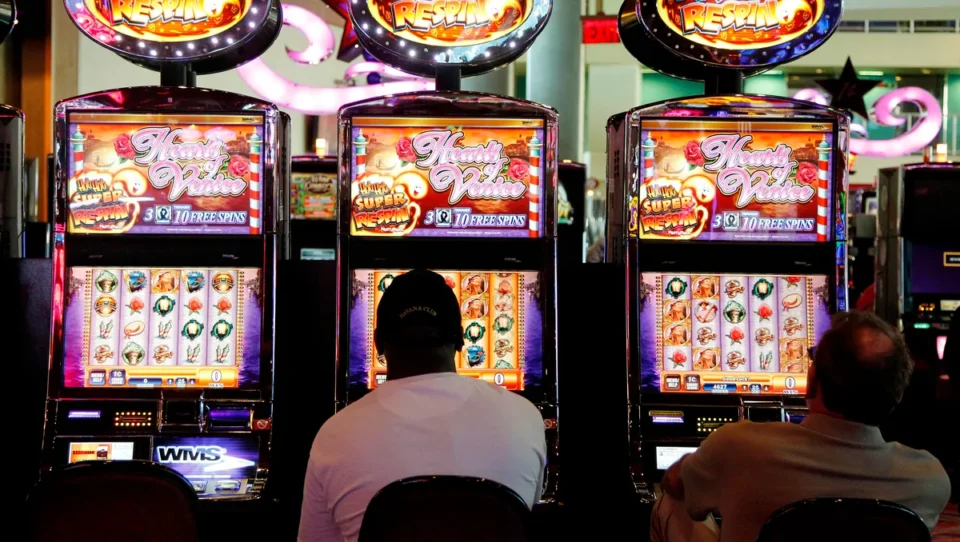
Slot machines hold an undeniable allure in the world of gaming, captivating millions with their vibrant displays, entrancing sounds, and the tantalizing possibility of fortune with every spin. From their modest mechanical roots to today’s cutting-edge digital delights, slot machines have continuously reinvented themselves, blending technical innovation with creative storytelling. This rich evolution, paired with their simple, universally accessible gameplay, has made slot machines a staple attraction in casinos and online platforms worldwide. This article delves into the captivating history, remarkable evolution, and enduring appeal of slot machines—the thrilling machines that continue to define the casino experience.
The Birth of the Slot Machine: Simplicity Meets Innovation
The story begins in the late 19th century, when Charles August Fey invented the first true slot machine, famously known as the Liberty Bell. Crafted in San Francisco, this pioneering device featured three spinning reels emblazoned with symbols like horseshoes, diamonds, spades, hearts, and the Liberty Bell itself. Players inserted coins and pulled a lever that set the reels spinning, eagerly awaiting a winning alignment.
What made the Liberty Bell extraordinary was its automatic payout feature, which dispensed coins without human intervention, enhancing trust and convenience. This simple yet innovative design rapidly gained popularity, igniting a new era of gambling excitement.
The Mechanical Era: Fast Becoming a Cultural Icon
Following the Liberty Bell’s success, slot machines became fixtures across saloons and public spaces. The iconic fruit symbols—cherries, lemons, oranges—and the BAR logo were soon introduced. These images originally served as clever workarounds for anti-gambling laws by awarding prizes like chewing gum instead of direct cash.
Known affectionately as the “one-armed bandits” due to their lever-operated reels and unpredictable outcomes, mechanical slots captivated players with their straightforward mechanics and almost hypnotic reels. The clinking sounds of coins emerging from the machine became synonymous with the anticipation and thrill that are central to the slot experience.
Transitioning to Electromechanical and Electronic Slots
The 1960s marked a revolutionary shift with the introduction of electromechanical slot machines. The Bally-manufactured Money Honey was among the first, boasting an electric motor to spin the reels and automatic coin payout up to 500 coins. This leap enabled larger jackpots, more reliable payouts, and more engaging game features.
These machines still had traditional spinning reels but incorporated sounds and light effects that enhanced the sensory experience. This era expanded the potential for innovation in slot design and gameplay, laying the groundwork for technological progress.
The Video Slot Revolution: A Digital Renaissance
The late 1970s and early 1980s ushered in video slots—the first to use computer-generated graphics instead of physical reels. This breakthrough allowed for far more dynamic and visually rich games. The creative possibilities became nearly unlimited: developers layered storytelling, thematic elements, animations, and bonus rounds into slots for the first time.
Video slots introduced multiple paylines, wild and scatter symbols, mystery bonuses, and free spins, radically transforming the player experience from simple reel-spinning to immersive, interactive sessions.
Online Slots and the Digital Explosion
The rise of the internet brought slot machines into the digital age with rocket speed. Online casinos offered players worldwide access to thousands of slot games featuring stunning graphics, diverse themes, and innovative mechanics. Players could enjoy slots from the comfort of their homes or on the go via smartphones and tablets.
The accessibility and convenience of online slots have helped expand their audience immensely, while features such as community jackpots and live tournaments create a social thrill beyond traditional play.
What Makes Slot Machines So Enduring?
Slot machines resonate across generations due to several key elements:
-
Easy to Play: Simple mechanics make slots widely accessible, requiring no prior gaming knowledge.
-
Sensory Immersion: Engaging visuals and soundscapes keep players entertained and emotionally hooked.
-
Enormous Variety: Themes range from classic fruit symbols to movie tie-ins and fantasy worlds.
-
Instant Rewards: Fast gameplay delivers quick excitement and the hope of hitting a jackpot.
-
Progressive Jackpots: The chance to win life-altering sums adds enduring appeal.
These features ensure slots remain a central pillar of gaming culture.
The Future of Slots: Technology Meets Imagination
Looking ahead, slot machines seem poised to harness emerging technologies:
-
Virtual Reality (VR) and Augmented Reality (AR): Offering players immersive environments where slots and stories come alive around them.
-
Artificial Intelligence: Animated characters adapting to player preferences to enhance engagement.
-
Blockchain Integration: Ensuring transparency and fairness, and enabling new forms of prize structures through decentralization.
While these innovations promise to elevate the slot experience to new heights, the foundational thrill of chance and anticipation will remain core.
Conclusion
From the simple mechanical spinning reels of the Liberty Bell to today’s dazzling digital landscapes, slot machines have evolved dramatically yet maintained their essential magic: the irresistible promise of chance and reward. Their journey is a rich tapestry of invention, culture, and emotion—engaging players with bright lights, exciting sounds, and the enduring excitement of the next spin. As technology and creativity continue to advance, slot machines will assuredly remain at the heart of casino entertainment for countless generations, captivating players’ dreams and imaginations around the world.
