
Introduction
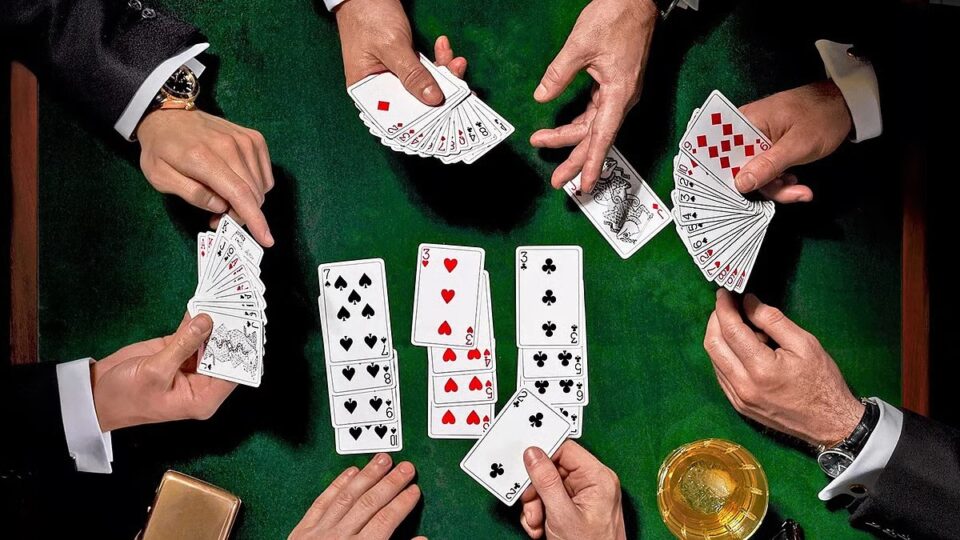
Card games have been captivating human imagination for centuries, transcending geography, culture, and social boundaries. They serve as a source of entertainment, strategic challenge, and social interaction, combining elements of chance with skillful decision-making. From their ancient origins to their modern-day digital evolutions, card games continue to thrive, adapting elegantly to the changing tastes and technologies of every era. This article explores the fascinating history, cultural significance, and enduring appeal of card games, illustrating why they remain one of the most beloved pastimes around the world.
The Historical Legacy of Card Games
Playing cards are believed to have originated in China during the Tang Dynasty (9th century), initially used as a form of lottery or gambling. These early cards often featured elaborate designs and were crafted from materials like wood and ivory. As the concept spread westward, it evolved through the Islamic world, eventually arriving in Europe by the 14th century, likely through trade routes or traveling merchants.
The first European cards appeared as luxury hand-painted items in countries such as Italy and Spain, reserved for nobility and the elite. With the invention of the printing press in the 15th century, the production of cards became faster and more affordable, making them accessible to a wider audience. The familiar suits of spades, hearts, diamonds, and clubs were introduced in France and later adopted globally, forming what is now the standard 52-card deck.
Different cultures added their own twists, leading to a rich diversity of decks and games. Spain, Germany, and India contributed unique styles and variants, while notable early games like Ombre and Triomphe influenced the development of trick-taking genres. Over time, card games evolved from simple gambling devices to sophisticated games emphasizing skill, strategy, and teamwork.
Core Components of Card Games
Card games generally share the following foundational elements:
-
A deck of cards: Typically a standard or specialized set, with numbers, suits, and face cards.
-
Rules and Objectives: Each game has its own structure dictating how cards are dealt, played, and how winners are determined.
-
Combination of Chance and Skill: Random card distribution intersects with strategic choices, bluffing, memory, and probability.
-
Social Interaction: Many games encourage cooperation or competition among players, fostering community and shared excitement.
Exploring Popular Card Games: Contrasts and Themes
Poker: The Game of Skill and Bluff
Poker is perhaps the most internationally recognized card game, revered for its delicate balance of luck and strategy. Originating in the 19th century in America, poker has since inspired numerous variants, with Texas Hold’em being the most famous. The game involves private hands and shared community cards, with players betting based on hand strength and psychological tactics like bluffing.
-
Appeal: A thrilling interplay of mind games, probability, and risk-taking.
-
Key Skill: Reading opponents and making strategic wagers.
Bridge: The Partnership Game
Bridge is a complex, partnership-based trick-taking game that demands precise communication through bidding and card play. Played by four players in two teams, it involves navigating an intricate set of conventions to outwit opponents. Bridge is not only a competitive sport with official tournaments but also celebrated for its intellectual rigor.
-
Appeal: Deep strategic planning and teamwork.
-
Key Skill: Memory, partnership communication, and logical deduction.
Rummy: Melds and Matching
Rummy is characterized by forming sets and runs of cards. Simple in structure but challenging in execution, it offers rapid, engaging gameplay. Variations like Gin Rummy and Indian Rummy are popular worldwide for their fast pace and social nature.
-
Appeal: Accessible for all skill levels; perfect for casual or family play.
-
Key Skill: Pattern recognition and timely decision-making.
Baccarat: Elegant Simplicity
Baccarat is often associated with casinos and high-stakes glamour. The game involves betting on which hand—the player’s or the banker’s—will reach a value closest to nine. Baccarat’s straightforwardness in play contrasts with the excitement of betting, making it appealing to novices and professionals alike.
-
Appeal: Fast-paced, with minimal decisions during play.
-
Key Skill: Primarily luck, though betting strategy plays a role.
Cultural and Social Impact of Card Games
Card games have long been more than just entertainment. They serve as cultural artifacts and social glue, accompanying celebrations, rituals, and gatherings. Historically, card games have functioned as educational tools, helping with skills such as probability, memory, and even diplomacy. The imagery and symbolism on cards also reflect social and artistic trends of their times.
Socially, card games encourage connection—whether it’s friendly competition, casual chatter, or forging alliances. They have been a refuge during war and peace, a pastime across classes and communities.
The Digital Transformation of Card Games
The advent of the internet has propelled card games into digital realms, making them accessible globally. Online platforms allow players to compete, collaborate, and socialize virtually across time zones. Enhanced features like live chats, tutorials, and AI opponents enrich the experience, broadening their appeal to younger generations.
Virtual card tournaments, streaming events, and mobile apps have expanded the reach and diversity of players, ensuring the traditions of card games endure dynamically in the 21st century.
Enhancing Your Card Game Experience
-
Explore different game types to discover favorite styles and strategies.
-
Learn rules thoroughly to appreciate nuances and improve play.
-
Play socially—in-person or online—to deepen engagement.
-
Observe expert players through tutorials or tournaments.
-
Embrace both luck and skill with patience and creativity.
Conclusion
Card games are an extraordinary fusion of history, culture, intellect, and human connection. Their longevity is a testament to their adaptability and timeless appeal. Whether you seek the daring bluffs of poker, the strategic dance of bridge, the quick thinking of rummy, or the elegance of baccarat, card games invite all to a shared table—a place where chance meets strategy and friendships blossom. In a world that constantly changes, card games remind us that simple joys, ancient arts, and social bonds remain forever relevant.
